

Did you know that frozen shoulder affects around 3–5% of Australians, most often between the ages of 40 and 60?
This painful and restrictive condition can make everyday movements — like reaching for a shelf or getting dressed — feel nearly impossible.
The good news is that with the right care, recovery is possible. In this article, we’ll explain what frozen shoulder is, why it occurs, and how physio for frozen shoulder in Melbourne can help restore movement, ease pain, and speed up healing.
You’ll also learn what to expect from treatment, recovery timelines, and why choosing experienced Melbourne physiotherapists can make all the difference in your recovery journey.
At The Alignment Studio in Melbourne, our experienced physiotherapists specialise in managing shoulder issues, including frozen shoulder.
With a focus on individualised care and advanced techniques, we aim to provide pain relief, enhance shoulder mobility, and help you regain control over your daily activities.
Whether you’re dealing with chronic pain or acute symptoms, our team is here to support your recovery journey.
What Is Frozen Shoulder (Adhesive Capsulitis)?
Frozen shoulder, medically referred to as adhesive capsulitis, is a condition characterised by stiffness, pain, and a gradual loss of movement in the shoulder joint.
It occurs when the connective tissue surrounding the shoulder joint becomes inflamed and thickens and tightens, leading to painful and restricted mobility.
This condition can significantly impact daily life, making simple tasks challenging and causing discomfort during rest or activity.
Understanding its symptoms, causes, and stages is essential for effective treatment and recovery.
Symptoms of Frozen Shoulder
The symptoms of frozen shoulder typically develop gradually and worsen over time. Affected individuals often experience shoulder stiffness and chronic pain that can make performing daily activities increasingly difficult.
A noticeable loss of movement and limited range of motion in the shoulder is common, particularly during activities such as reaching overhead or behind the back. Even simple tasks, such as dressing or lifting light objects, may become challenging.
Additionally, shoulder pain often worsens at night, disrupting sleep and leading to further discomfort.
These symptoms can persist for months or even years without proper treatment, emphasising the importance of seeking professional care to address shoulder problems early.
Common Causes and Risk Factors
Frozen shoulder typically affects individuals between the ages of 40 and 60 and is more common in women.
Shoulder injuries, such as rotator cuff tears or shoulder dislocation, and immobilisation following shoulder surgery are common risk factors.
Prolonged periods of immobility can lead to the development of adhesive capsulitis as scar tissue forms, restricting shoulder movement.
Certain medical conditions, such as diabetes or thyroid disorders, are also associated with an increased risk of developing frozen shoulder. Changes in connective tissue and the buildup of scar tissue around the shoulder joint can further exacerbate the condition.
Hormonal changes during perimenopause and menopause can further increase susceptibility, as fluctuations in oestrogen levels may affect joint health and connective tissue elasticity.
Research indicates frozen shoulder is especially common in women aged 40–60, often aligning with the hormonal changes of perimenopause.
Understanding these risk factors helps guide effective physiotherapy management and injury prevention strategies.
Stages of Frozen Shoulder

Frozen shoulder progresses through three distinct stages, each with its own set of challenges:
Freezing: This initial phase lasts between 2 to 9 months and is marked by increasing pain and a gradual loss of movement. Shoulder stiffness becomes more pronounced, and performing daily activities becomes progressively harder and more painful.
Frozen: The second stage, lasting 4 to 12 months, involves severe stiffness and limited shoulder function. Pain may decrease slightly, but the restricted range of motion significantly impacts shoulder mobility and function.
Thawing: During this final stage, which can last 6 to 24 months, the shoulder slowly regains mobility as the connective tissue loosens. With the right physiotherapy program, recovery time can be shortened, and shoulder function can be restored more effectively.
Effective Physiotherapy Treatment for Frozen Shoulder
Physiotherapy is a proven, effective treatment for frozen shoulder, offering pain relief and restoring shoulder function.
A comprehensive physiotherapy program tailored to each individual’s specific needs can significantly enhance the recovery process and improve quality of life.
Benefits of Early Physiotherapy Intervention
Seeking physiotherapy treatment early can provide faster pain relief and prevent the condition from worsening. Early intervention not only helps maintain shoulder mobility but also reduces the risk of complete loss of movement.
Experienced physiotherapists can design personalised physiotherapy management plans that address the unique needs of each patient, ensuring effective treatment and a shorter recovery process.
By improving shoulder function and range of movement, physiotherapy enables individuals to return to their daily activities more quickly, reducing the physical and emotional toll of chronic pain and limited mobility.
Manual Therapy and Pain Management Techniques

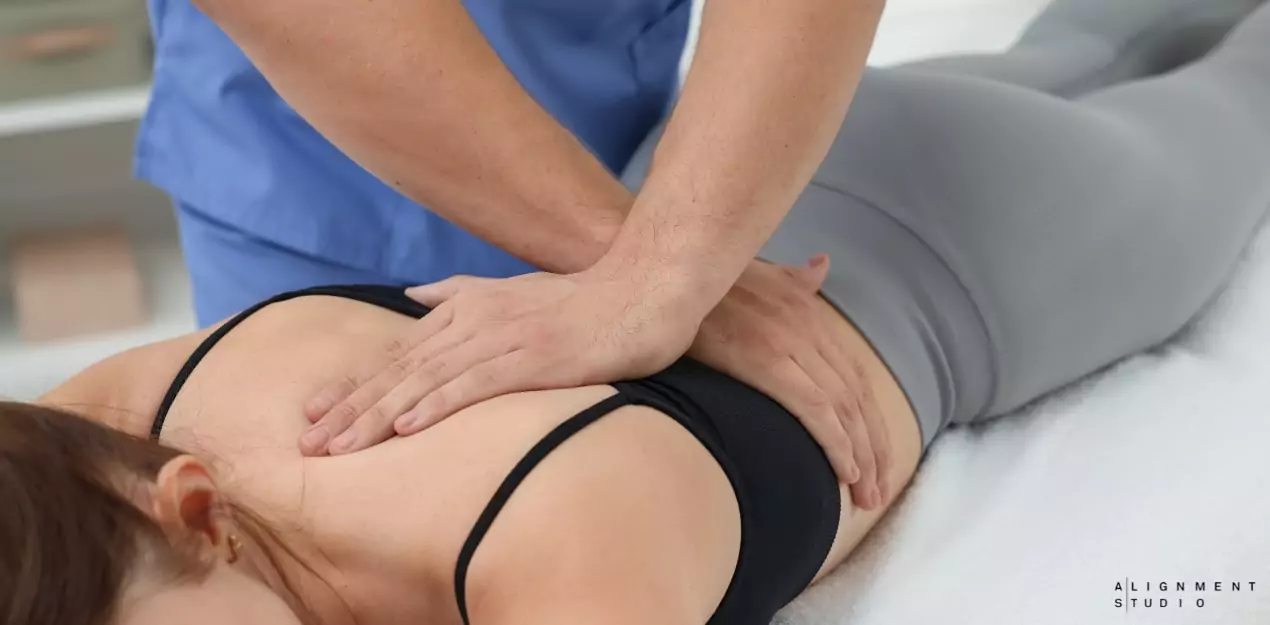
Manual therapy plays a crucial role in treating frozen shoulder. Techniques such as joint mobilisation and soft tissue release help improve shoulder movement and reduce discomfort.
Myofascial release is also effective in breaking down scar tissue and restoring flexibility to the shoulder joint.
Pain management techniques, including heat therapy and dry needling, offer relief from chronic pain and help relax tight muscles.
Addressing muscle imbalances and correcting faulty movement patterns are essential components of physiotherapy treatment, as they help prevent future shoulder issues and ensure a smoother recovery process.
Customised Exercise Programs
Exercise programs tailored to the specific stage of frozen shoulder are vital for effective rehabilitation. Range of movement exercises target stiffness and improve flexibility, while strengthening exercises help restore muscle strength and shoulder stability.
Posture correction and functional movement training further enhance shoulder mobility and overall function. In some cases, additional interventions such as Hydrodilatation — a guided injection technique designed to stretch the joint capsule and improve movement — may be recommended to support recovery. The use of anti-inflammatory or pain-relief medications can also assist in managing discomfort and reducing inflammation during treatment.
Home exercise routines are also an integral part of long-term shoulder rehabilitation, ensuring sustained improvement and reducing the likelihood of recurring shoulder problems. A professional physiotherapist will guide patients through each stage of recovery, providing ongoing support and adjustments to the program as needed.
Frozen Shoulder Care in Melbourne
Accessing expert care for frozen shoulder in Melbourne can make all the difference in achieving a full recovery. With the guidance of experienced physiotherapists, individuals can expect a personalised approach to treatment that addresses their unique needs and goals.
What to Expect During a Physio Session
A typical physiotherapy session for frozen shoulder begins with a comprehensive shoulder assessment and physical examination.
This allows the physiotherapist to identify the extent of the condition and any contributing factors, such as muscle imbalances or connective tissue changes.
Based on this assessment, a personalised treatment plan is developed to address the patient’s specific needs.
Hands-on therapy, including manual techniques and targeted exercises, is a key component of each session.
Patients also receive guidance on activity modification to avoid further strain on the shoulder and learn injury prevention strategies to maintain long-term shoulder health.
Regular monitoring of recovery progress ensures that treatment remains effective and aligned with the patient’s goals.
Recovery Time and Expected Results
Recovery time for frozen shoulder varies depending on individual factors, such as the stage of the condition and the patient’s commitment to physiotherapy. However, physiotherapy can significantly accelerate the recovery process and improve outcomes.
Patients who actively participate in their rehabilitation exercises and follow their physiotherapist’s guidance often see faster improvements in shoulder mobility and pain relief.
With consistent effort and professional support, most individuals can expect to regain a wide range of motion and resume their normal activities within a reasonable timeframe.
Physiotherapy offers an effective pathway to overcoming the challenges of frozen shoulder and achieving lasting results.
Private Health Rebates and Costs
In Melbourne, many private health insurance plans provide rebates for physiotherapy treatment, making it a more accessible option for managing frozen shoulder.
At The Alignment Studio, we offer convenient same-day appointments to ensure timely care for our patients. Booking an appointment is easy, with options to book online or by phone.
Our team is committed to providing high-quality care in a supportive and professional environment.
Why Choose The Alignment Studio in Melbourne
Expert Care from Experienced Physiotherapists
At The Alignment Studio, our team of AHPRA-registered physiotherapists brings extensive experience in treating shoulder issues, including frozen shoulder.
Specialising in shoulder rehabilitation, our practitioners use advanced techniques to provide effective treatment tailored to each patient’s needs. With a commitment to personalised care, we ensure that every patient receives the attention and support required for optimal recovery.
Comprehensive Services and Patient Success
Our Melbourne clinic offers integrated services, including remedial massage and myotherapy, to complement physiotherapy treatments. With over 175 5-star reviews from satisfied shoulder patients, The Alignment Studio is a trusted choice for effective and long-lasting results.
Our focus on injury prevention and long-term health ensures that patients regain mobility and strength while minimising the risk of future problems.
Convenient Location and Flexible Hours

Located in the heart of Melbourne CBD at Ground Floor Collins Place, 45 Collins Street, Shop 19, The Alignment Studio is easily accessible for office workers and weekend warriors alike.
Our clinic’s proximity to public transport and major city streets makes it a convenient option for those seeking professional care. With flexible hours, we accommodate busy schedules to ensure patients receive the treatment they need without added stress.
FAQs About Physio for Frozen Shoulder
How do I know if I have frozen shoulder or something else?
Frozen shoulder causes severe stiffness and pain, with limited motion even when someone else moves your arm — unlike rotator cuff injuries or bursitis. It usually develops gradually without a clear injury. Our experienced physiotherapists at The Alignment Studio use targeted tests to confirm the diagnosis and rule out other shoulder conditions.
Can frozen shoulder go away without treatment?
It can improve on its own, but recovery may take up to three years. Without treatment, pain and stiffness often persist and may lead to long-term mobility loss. Physiotherapy shortens recovery time, restores movement, and reduces pain — which is why early treatment at our Melbourne clinic is strongly recommended.
What is the fastest way to treat frozen shoulder?
Consistent physio and daily home exercises deliver the quickest results. At The Alignment Studio, we combine physiotherapy with remedial massage, myotherapy, and Clinical Pilates to speed healing. Early, consistent care — supported by same-day appointments at our Collins Street clinic — offers the best outcome.
Is dry needling or massage good for frozen shoulder?
Yes. When used in conjunction with physiotherapy, dry needling and remedial massage help alleviate pain, relax tight muscles, and enhance flexibility. Our integrated care model enables your physiotherapist, massage therapist, and myotherapist to collaborate for faster and more effective results.
How long does frozen shoulder take to heal with physio?
Most patients see improvement within three to six months, with full recovery in 12 to 18 months. Early intervention and consistent treatment make a big difference. Our Melbourne physios track your progress and adjust your program to keep you moving toward full shoulder function.
Book an Appointment with a Shoulder Physio Near You
Frozen shoulder doesn’t have to hold you back. With the right physiotherapy, you can ease pain, restore movement, and regain confidence in everyday activities.
At The Alignment Studio, our Melbourne physiotherapists use proven treatments and personalised programs to help you recover faster.
Book your appointment today for physio for frozen shoulder in Melbourne — and start moving freely again.